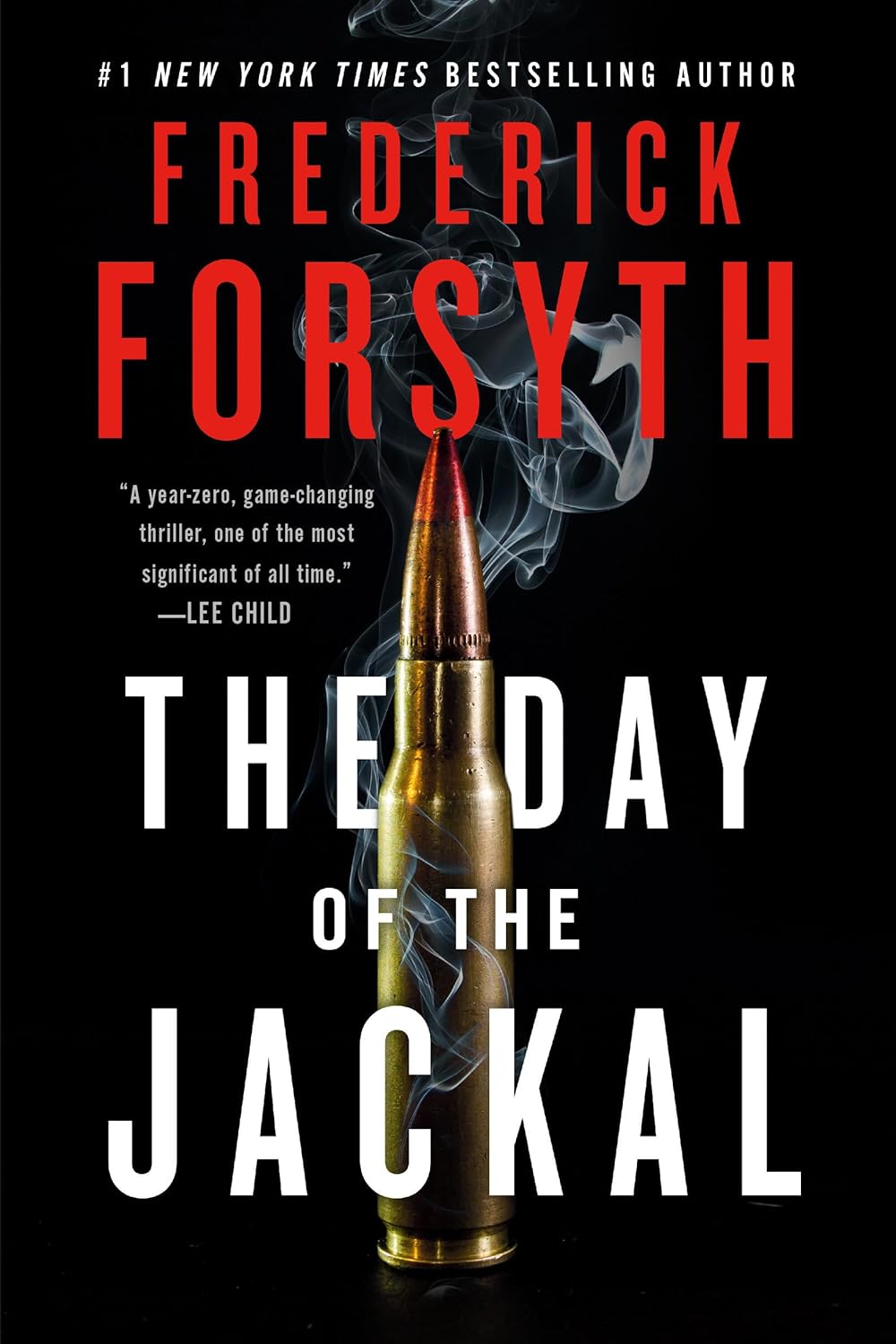
The Jackal. A tall, blond Englishman with opaque, gray eyes. A killer at the top of his profession. A man unknown to any secret service in the world. An assassin with a contract to kill the world’s most heavily guarded man.
One man with a rifle who can change the course of history. One man whose mission is so secretive not even his employers know his name. And as the minutes count down to the final act of execution, it seems that there is no power on earth that can stop the Jackal.
How was it?
The Day of the Jackal is often described as a classic political thriller, but it really came on my radar when the Eddie Redmayne’s TV series was on the horizon. What struck me the most about this book is how much it feels like a meticulously constructed case study, almost like an investigative documentary, before it even becomes a fictional story.
The early sections of the novel, there are four parts of them, I think, are incredibly detailed, laying out the chain of events that lead to the hiring of the Jackal. Forsyth takes his time here, and while that might sound heavy, it’s anything but dull. Instead, it reads like a fascinating deep dive into the anatomy of an assassination plot. The inclusion of the Algerian War of Independence adds a strong historical background, effectively showing why someone like Charles de Gaulle was deeply polarizing and targeted.
What makes this novel particularly compelling is its blend of fact and fiction. Because parts of the story are rooted in real historical tensions, making the fictional elements feel grounded and believable. That sense of realism never really fades, even as the narrative shifts more squarely into thriller territory.
One of the standout aspects for me is the level of detail, especially when it comes to the Jackal’s preparations. The specifications of the rifle, the disguises, and the step-by-step planning are incredibly precise. Normally, this level of technical detail might slow a story down, but Forsyth manages to keep it engaging throughout. The pacing flows surprisingly well, and the perspective shifts between the assassin and those trying to stop him, pulling you right into the process on both sides.
That said, this same precision is also what holds the book back from being truly great in my eyes. There’s a certain emotional distance to the narrative. It feels intentionally cold, which makes sense given the subject matter and the character of the Jackal, but it also means I was more intellectually engaged than emotionally invested. I was fascinated by how everything would unfold, but I wasn’t deeply attached to the outcome, just curious.
Having just seen the TV adaptation of the story, I also found it interesting to compare portrayals. The Jackal’s meticulous nature, his attention to detail, use of aliases like “Duggan,” and careful planning are very much present here and clearly form the backbone of those adaptations. However, while the TV version added more emotional weight, the novel remains more clinical in its execution. It does make me curious about which elements different adaptations chose to use or leave out.
Overall, The Day of the Jackal is an impressively crafted thriller that excels in realism, structure, and details. Even if it doesn’t fully deliver on emotional depth, it’s a gripping and highly intelligent read that stands out for its precision and authenticity.
If you want to support this site, help by getting me a coffee from the link below: