When Marvel first announced Thunderbolts, I’ll admit, I braced myself for an MCU-flavored Suicide Squad. Antiheroes teaming up for a morally gray mission? Seemed like a straight-up parallel. But nope. That’s not what this is. Not even close. The Suicide Squad feels like straight-up criminals, not antiheroes. Thunderbolts is something quieter, darker, and way more character-driven than I expected, and that’s what makes it really stand out.
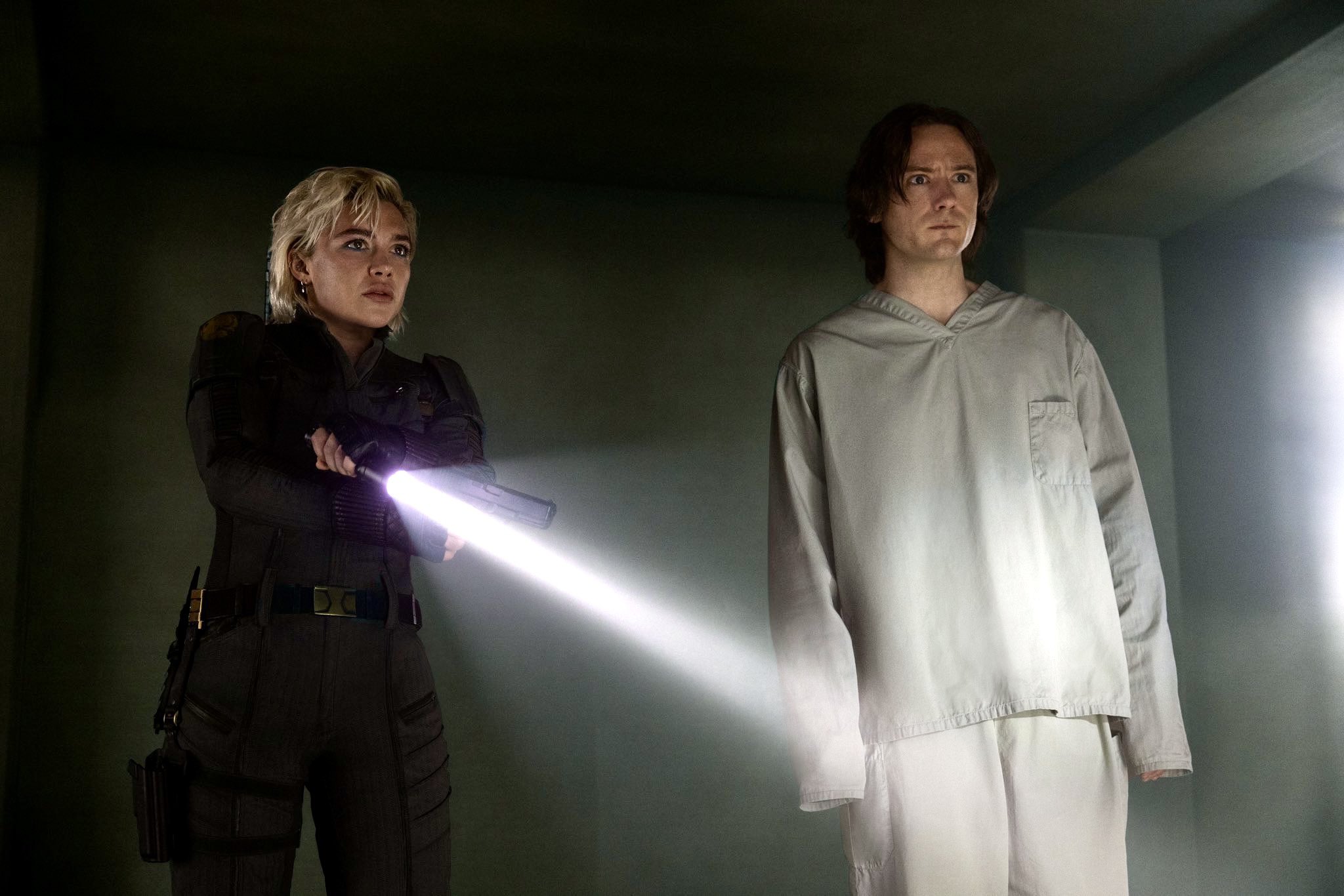
The plot starts with this scrappy team of antiheroes caught in a deadly trap, forcing them into a mission that’s less about saving the world and more about confronting their messed-up pasts. It’s refreshingly grounded for a Marvel movie. Instead of the usual spectacle overload, Thunderbolts leans into its cast, their chemistry, and the baggage each character brings.
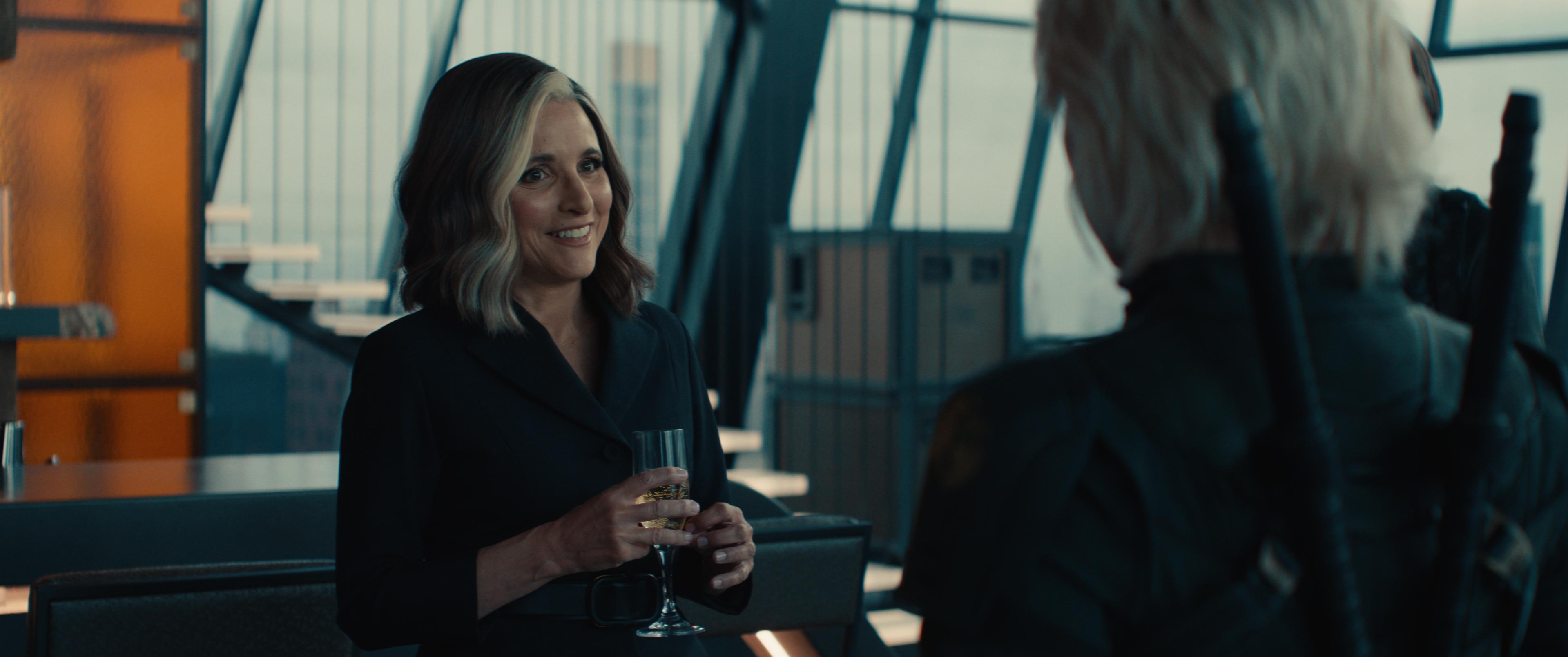
This one’s more brains over brawn, which may surprise people. The action’s there (don’t worry), but the conversations about guilt, trauma, and why these messed-up people keep waking up and choosing violence carry just as much weight. This is a movie that actually takes a swing at exploring mental health and trauma, without turning it into a lecture or reducing it to a shallow plot device. The emotional beats hit because they feel earned. No cheap tears here.
There’s a great synergy here. The story, acting, and direction all work together like the Thunderbolts – chaotic, messy, but somehow effective. It’s a tight film too. Good pacing, a consistent tone, and a focus on character make it feel like one of the most standalone MCU entries to date. You could watch this with barely any prior Marvel Cinematic Universe knowledge and still walk away satisfied.
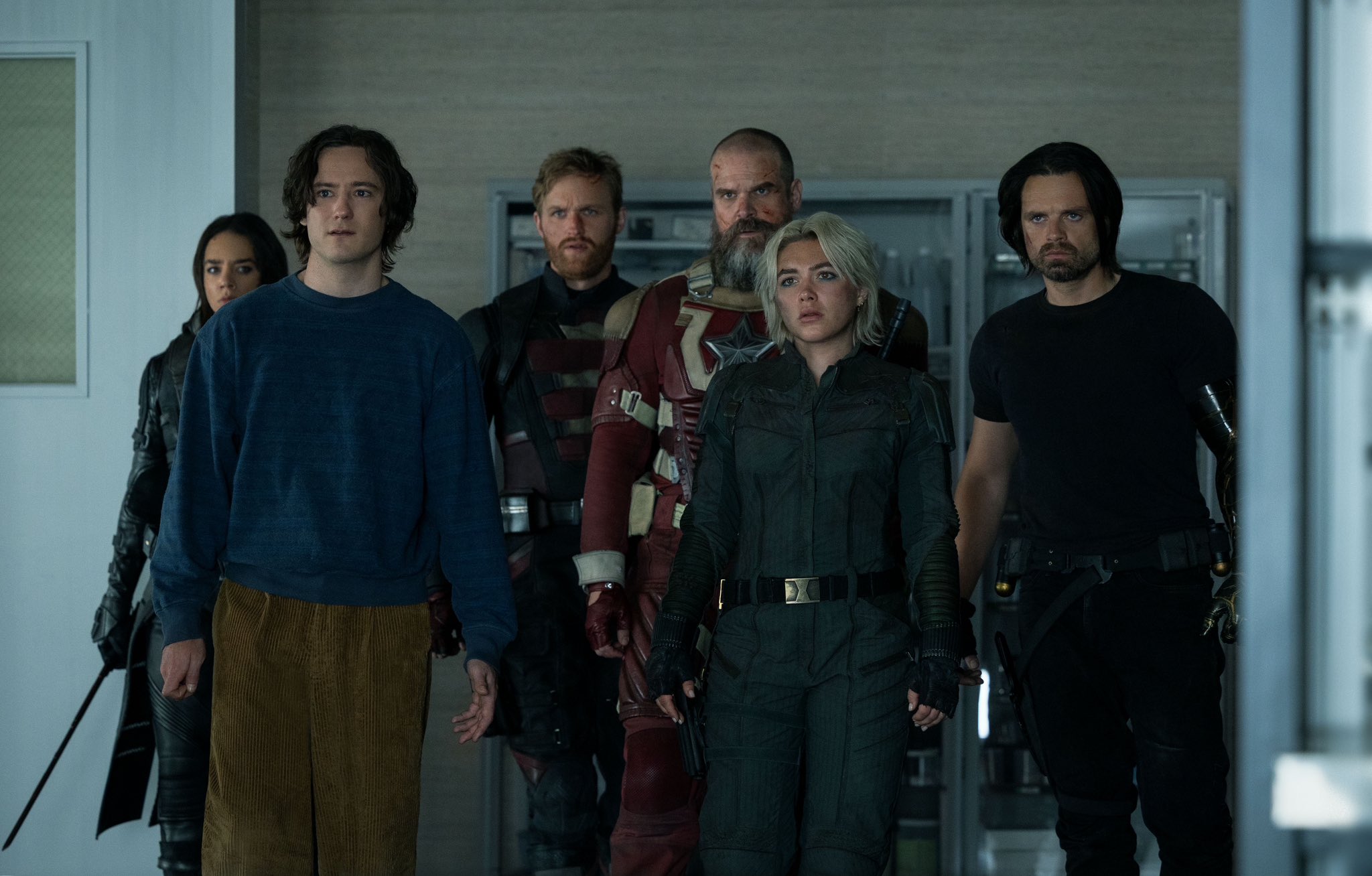
Everyone in the cast gets their moment, Florence Pugh (Yelena) and Sebastian Stan (Bucky) bring their A-game, but the real surprise is how well the whole team gels. David Harbour (Red Guardian) steals scenes, but I gotta say, I loved seeing Ghost (Hannah John-Kamen) get more space to breathe. She’s still a bit underused, but her skills alone sets her apart visually. And Lewis Pullman’s Sentry? Really well done. He flirts with that Homelander-type edge without fully going there, and that balance is what makes him interesting. It’s more a respectful nod than a rip-off, and Pullman handles it with nuance.

And no, the post-credit scene isn’t the biggest moment of the movie, which is a good thing. The film doesn’t rely on “what’s next” to feel worthwhile. It tells a complete story, sticks the landing, and leaves just enough on the table for speculation without making you feel like you only watched a setup.
Bottom line? Thunderbolts surprised me in the best way. It’s not about big explosions or flashy cameos. It’s a story about broken people trying to do some good and maybe save themselves in the process. And for that, it hits differently.
If you’re enjoying the content, you can help by leaving a like, a comment, or by getting me a coffee:

 Worn Out Spines