
When I watched the two-episode premiere of VisionQuest, I was intrigued by how they approached memory and identity. Now that I’ve seen the whole thing, I’m happy to say that there’s more to it than an intriguing science-fiction fantasy. It’s a very human story about self-discovery, family, belonging, and figuring out who you want to be.
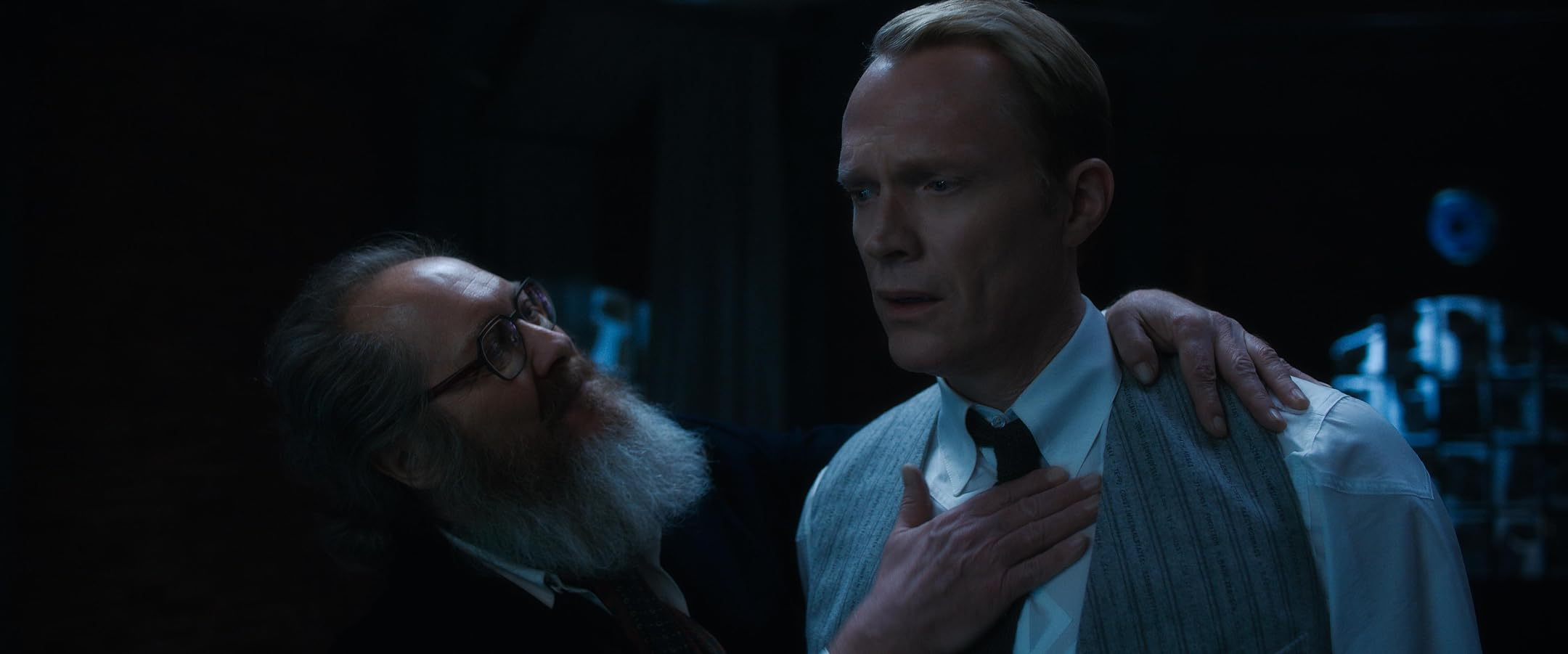
Vision isn’t simply trying to recover and understand who he used to be. There’s an exploration of legacy in the show, one questioning: what do we inherit from the people who came before us? Can we take what they’ve given us and become something different? The show explores these questions through all of its characters without making the whole thing feel like a philosophy lecture. There’s plenty of superhero storytelling here, but the emotional core of the show is stronger and deeper.
I was drawn to the family dynamics at play here. I’m particularly loving the father-son relationships that develop between Ultron and Vision, and between Vision and Thomas. I enjoyed watching all three of them navigate their connections to each other. But what I loved more was seeing one of Wanda’s kids find one of their parents.
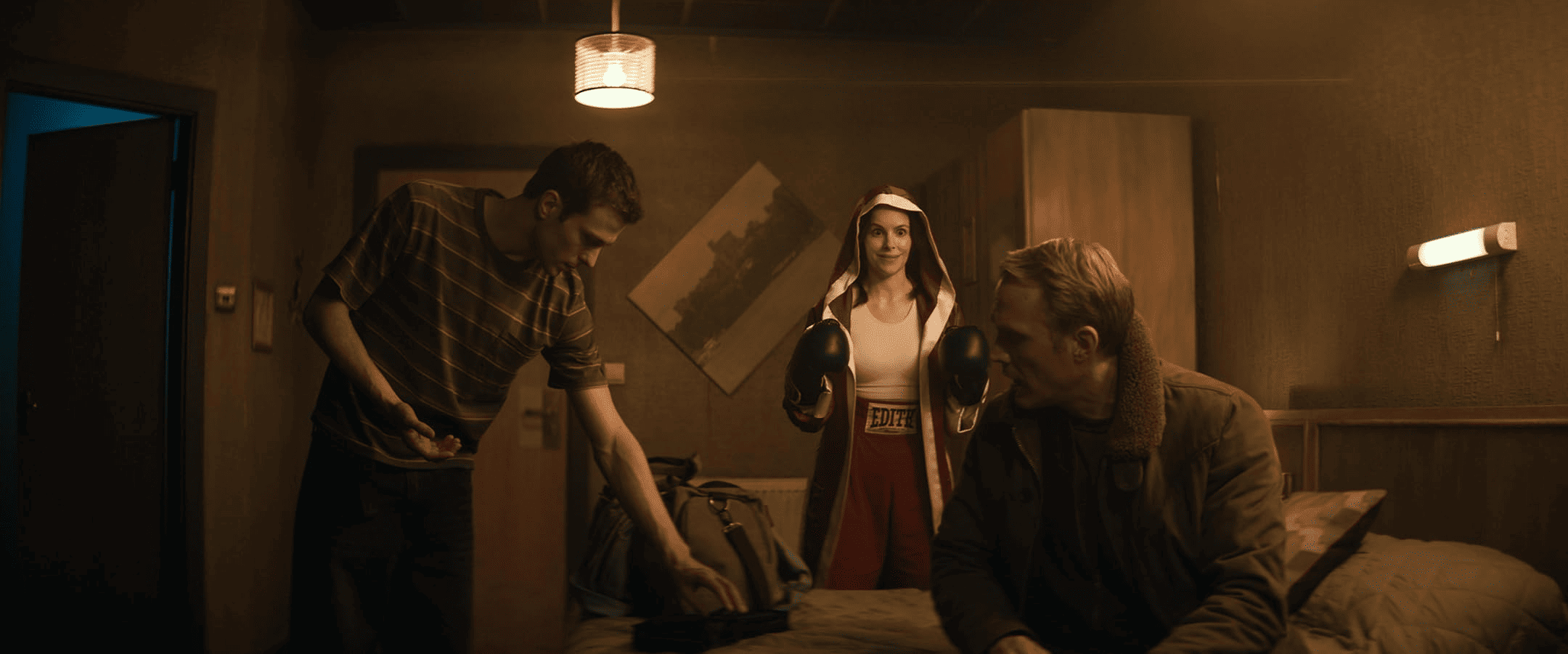
The series does something interesting with the AIs in Vision’s mindspace. As the story progresses, each AI’s “life” becomes more complex. The show spends a surprising amount of time exploring the psychological side of these characters. Their emotional baggage, their relationships, and the ways they understand themselves become just as important as everything else.
Even these AIs’ avatars make sense when you think about how real-world AI models are trained on human-created material. So there’s something fitting about these artificial personalities carrying traces of the people who inspired them. It also adds another layer to the show’s questions about identity. If your personality is built from someone else’s experiences, memories, or characteristics, where does the original person end and the new one begin?
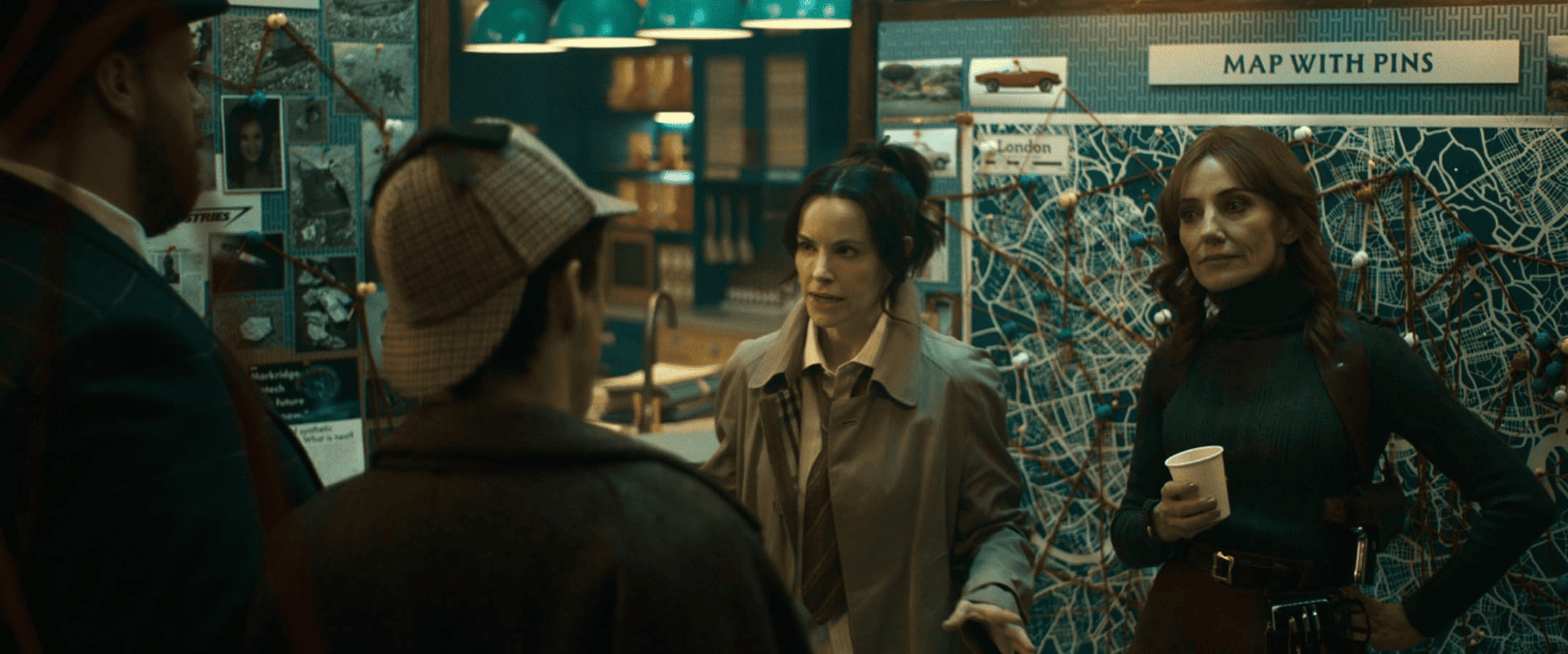
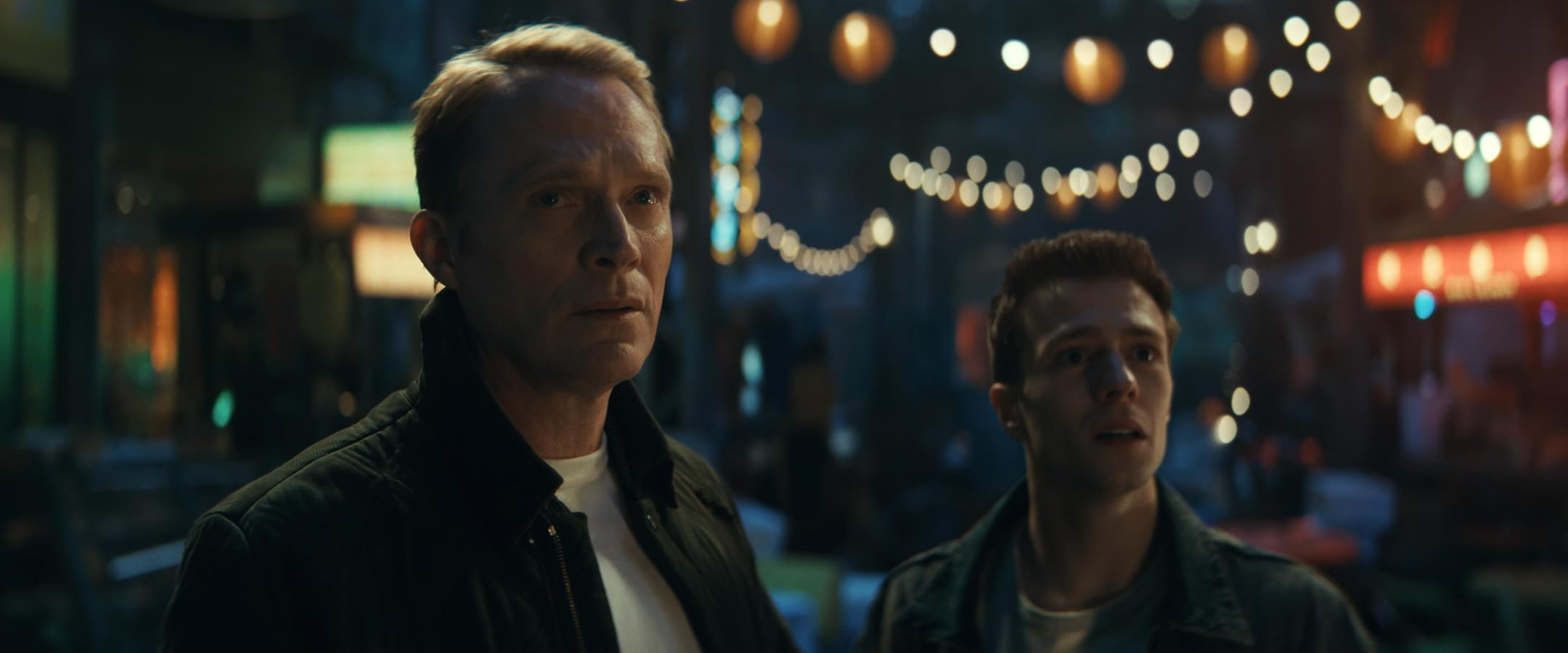
The performances are a huge part of why all this works for me. Paul Bettany and James Spader really carry this show. Their back-and-forth is easily one of its biggest highlights, and the dynamic between Vision and Ultron gives the series some of its best moments.
Spader absolutely shines, particularly during the first half. He brings so much personality to Ultron, balancing menace, humour, and a certain theatricality that makes him stand out. But Bettany more than rises to the occasion. There’s a scene where he slips back into the way he portrayed Vision before WandaVision. It’s a lovely reminder of Vision we’ve known while still showing us someone who is changing and developing beyond that familiar version.
And I’m glad the show doesn’t try to turn Ultron into something he’s not. I like that he stays Ultron. The idea of him being a coin flip is particularly fitting because I’ve always considered the character a little more morally grey than outright black and white, even in Avengers: Age of Ultron. He’s dangerous, unpredictable, and capable of moments that might make you question your assumptions about him. Keeping that ambiguity makes his relationship with Vision even more interesting.
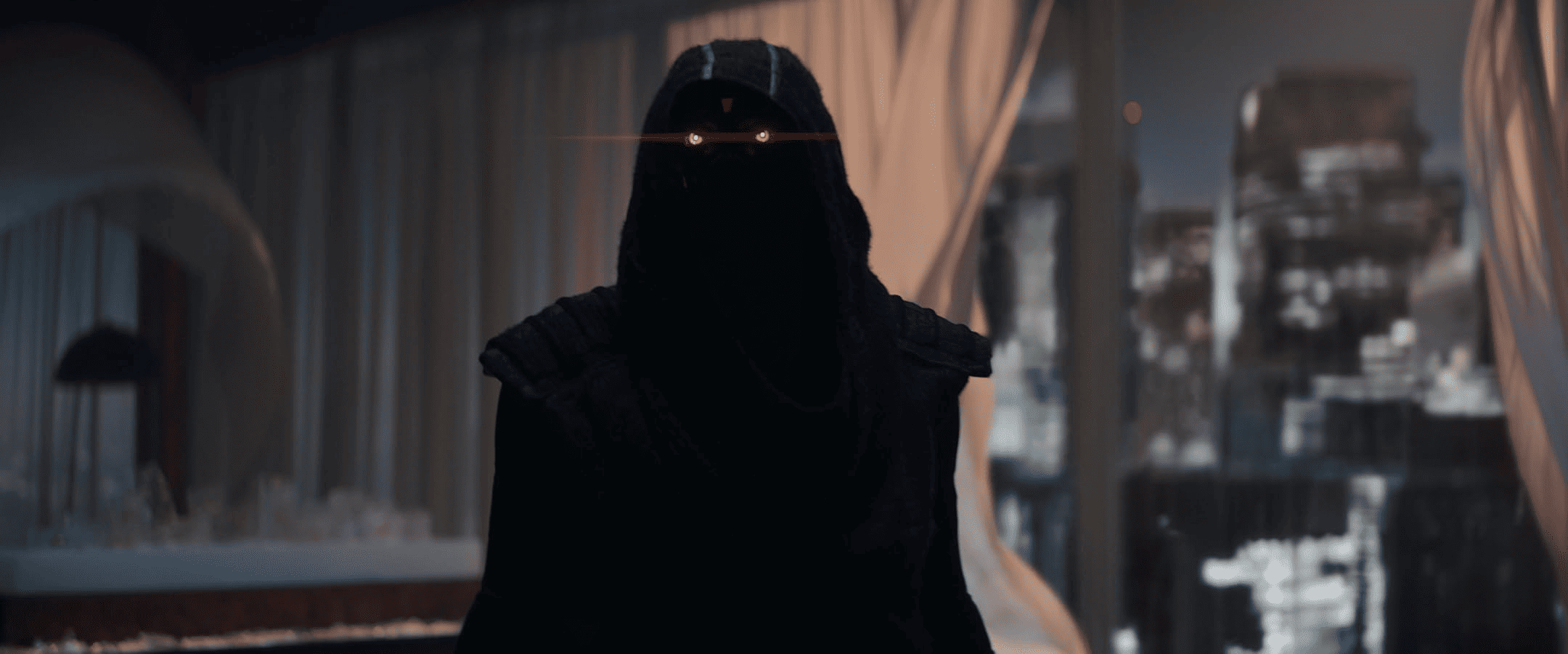
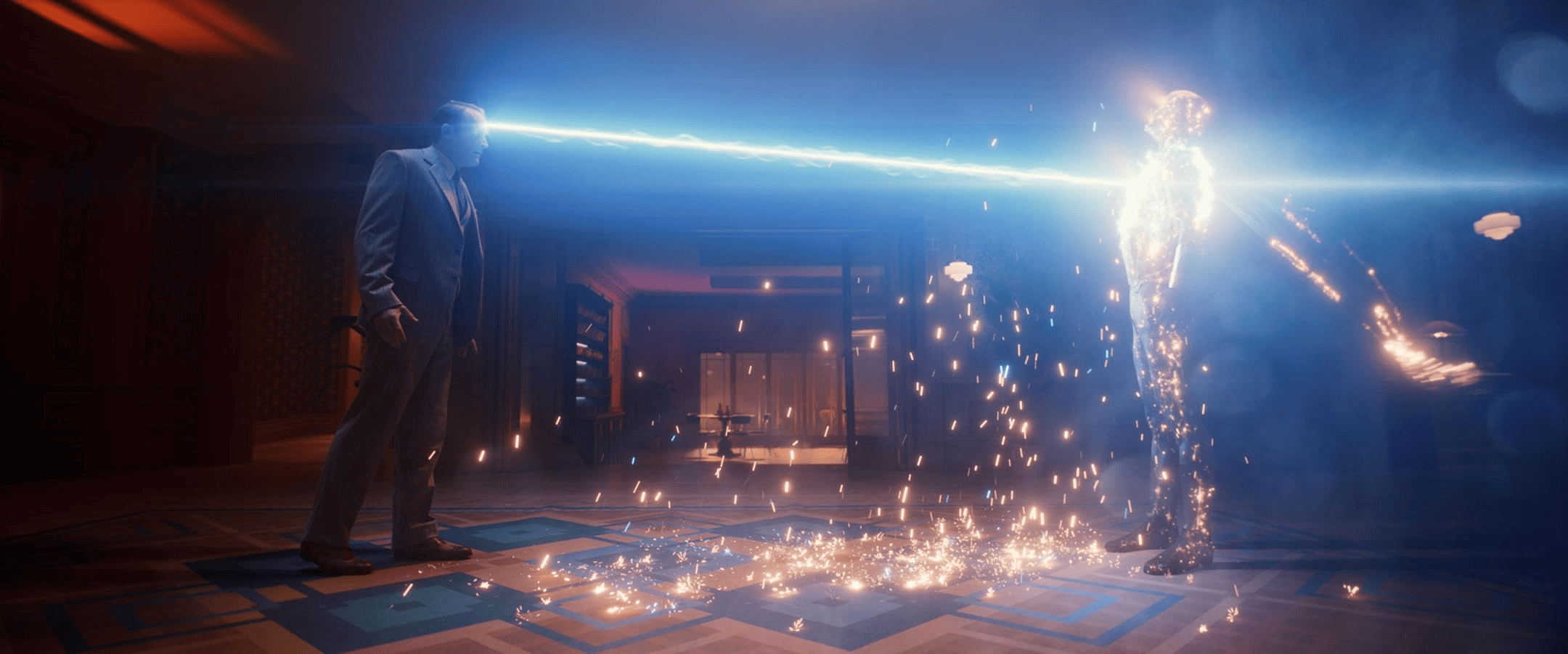
The introduction of Jo is another highlight. I immediately loved the actress playing her, and her presence brings a new dynamic to the story. She’s one of those characters who makes you curious about what’s coming next, and I enjoyed seeing how she fits into the wider emotional and narrative landscape of the show.
I also have to mention the humour. The computer science-inspired jokes really work for me. The code exorcism and CAPTCHA scenes had me rolling. The show knows when to be funny, and that sharp humour helps balance some of its heavier moments. And that’s perhaps one of the things I appreciated most about VisionQuest: it really knows how to give you the feels. The relationships feel genuine so the emotional moments land.
That doesn’t mean the series is without its little oddities. There are definitely things to nitpick, like Vision maintaining his human appearance even when he’s inconscious or “switched off.” Not that it’s been established but if he needs power and consciousness to sustain that appearance, shouldn’t that be a little more complicated? It’s one example, a small detail, but once you start thinking about it, it’s hard not to notice. There are a few moments where the internal logic of the technology raises similar questions. Still, these are relatively minor complaints in a show whose biggest strengths is elsewhere.
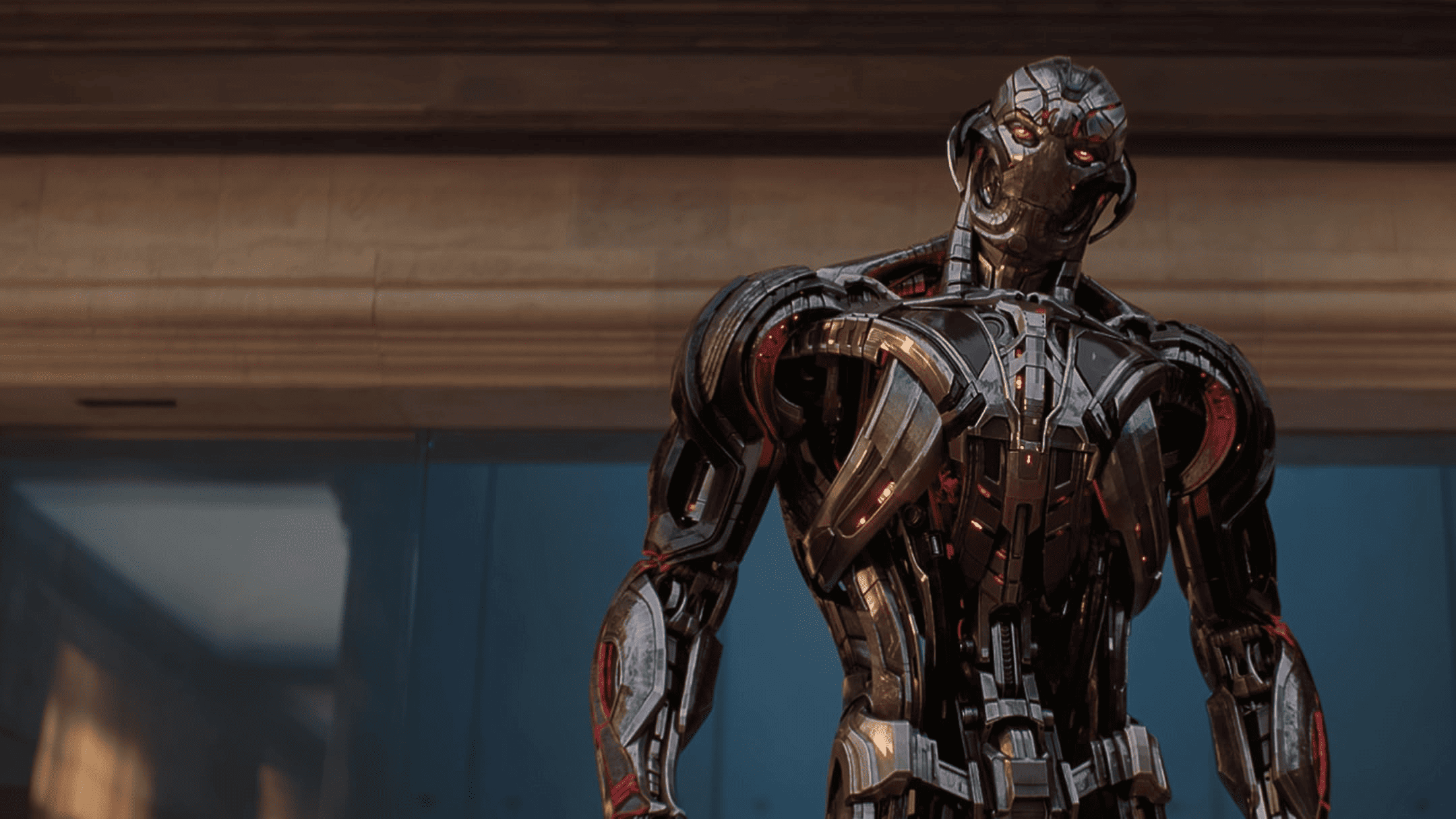
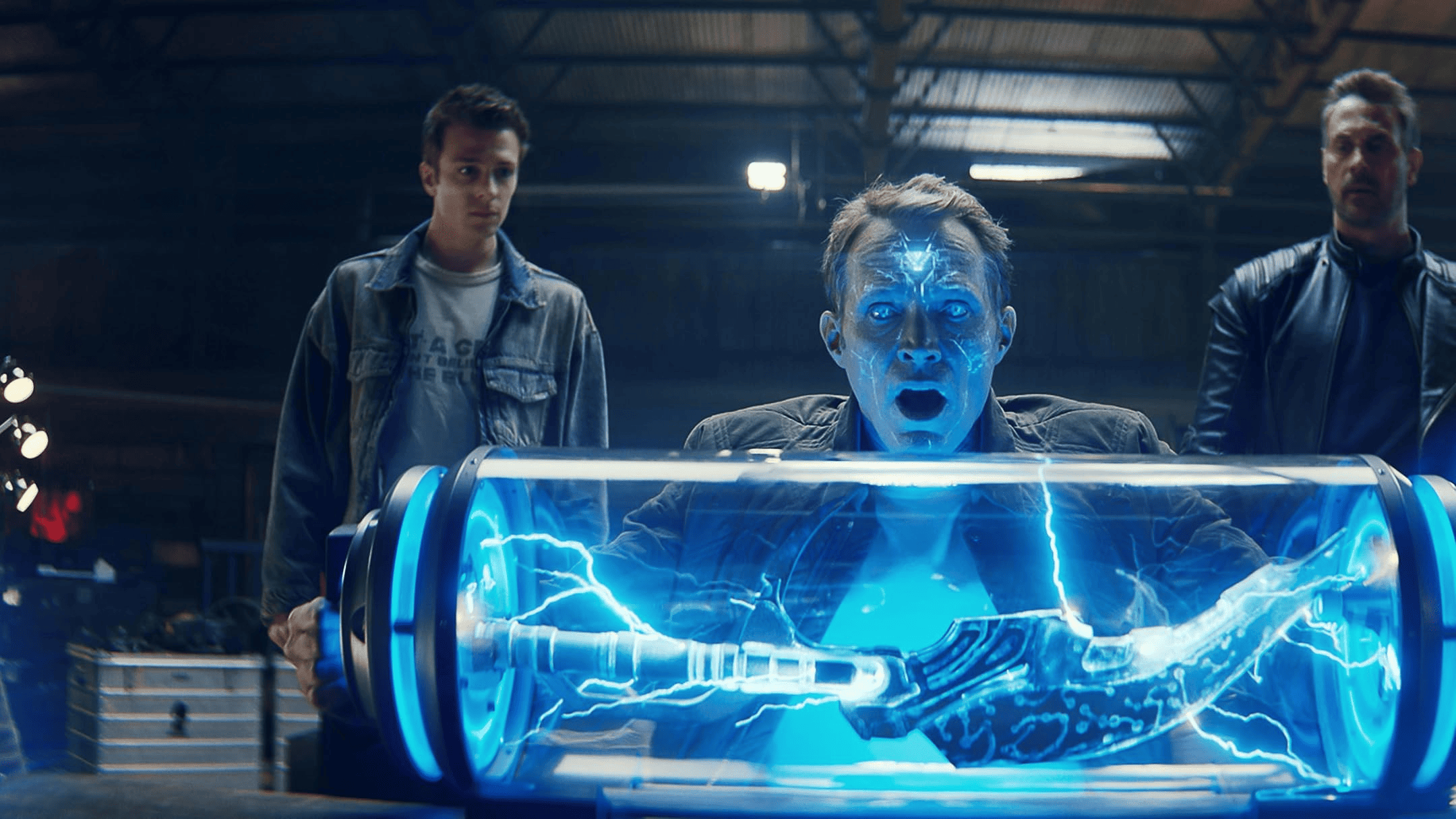
Overall, I really enjoyed VisionQuest. Bettany and Spader are fantastic together, the supporting cast adds plenty of personality, and the show manages to balance science fiction, superhero elements, comedy, and genuine emotion surprisingly well. It’s thoughtful without losing its sense of fun, and it gives Vision a journey that feels meaningful rather than simply nostalgic.
More than anything, I love that the show understands that becoming yourself doesn’t necessarily mean going back to who you were. Sometimes it means accepting what came before, learning from it, and deciding what comes next. And that’s a pretty lovely way to bring Vision’s story forward.
If you’re enjoying the content, you can help by leaving a like, a comment, or by getting me a coffee: